Flat roofs have gained popularity in various regions, particularly in places like Scottsdale, Arizona, known for its dry climate and modern architectural trends. While they may not be the traditional choice, flat roofs offer unique advantages and challenges that homeowners and builders should understand. Insights gathered from local professionals reveal valuable information about materials, maintenance, and potential pitfalls.
Understanding Flat Roofs
Flat roofs are characterized by their almost level surfaces, typically having a slight pitch to allow for drainage. They differ significantly from pitched roofs, which are designed to shed water effectively. The appeal of flat roofs extends beyond aesthetics; Roofing contractor they can be cost-effective and provide additional usable space.
One common misconception is that flat roofs are entirely flat. In reality, they usually have a slight slope—often between 1% and 2%—to facilitate water runoff. This subtle incline is essential in preventing water pooling, which can lead to leaks and structural damage over time.
Materials Used for Flat Roofs
The choice of roofing material is critical when considering a flat roof. Various options cater to different needs, climates, and budgets. Here are some popular materials used in flat roofing:
- Built-Up Roofing (BUR): This traditional option consists of multiple layers of asphalt and felt. BUR is durable and known for its excellent waterproofing properties but can be heavy. Modified Bitumen: Similar to BUR but with added flexibility, modified bitumen comes in rolls that can be adhered or mechanically fastened to the roof deck. It performs well under UV exposure. EPDM (Ethylene Propylene Diene Monomer): A synthetic rubber membrane that is lightweight yet durable. EPDM is resistant to weather extremes but may require regular inspections for punctures. TPO (Thermoplastic Olefin): An increasingly popular choice due to its energy efficiency and heat-reflective properties. TPO membranes are also relatively easy to install. PVC (Polyvinyl Chloride): Known for its durability and resistance to chemicals, PVC roofing offers long-term performance but tends to be more expensive than other options.
Each material has distinct advantages and drawbacks based on factors such as lifespan, cost, installation complexity, and maintenance requirements. Consulting with a qualified roofing contractor in Scottsdale can help determine the best material suited for your specific situation.
Benefits of Flat Roofs
Flat roofs present several benefits that make them appealing choices for residential and commercial buildings alike.
One notable advantage lies in cost savings during installation compared to pitched roofs. The simpler design generally requires fewer materials and less labor time. Additionally, the absence of steep pitches means that flat roofs are easier to access for maintenance or repairs.
Another compelling benefit is the potential for maximizing usable space. Homeowners often transform flat rooftops into terraces or gardens, creating outdoor living areas that enhance property value while providing recreational space.
For businesses, flat roofs allow convenient installation of HVAC systems or solar panels without compromising aesthetics or taking up valuable ground space.
Energy Efficiency Considerations
Energy efficiency is increasingly important as homeowners seek ways to reduce utility bills while minimizing their environmental impact. Flat roofs can contribute positively in this area through proper insulation techniques and reflective materials that reduce heat absorption.
Using light-colored roofing materials reflects sunlight instead of absorbing it, keeping indoor spaces cooler during hot Arizona summers. Moreover, adequate insulation helps maintain temperature control throughout the year while reducing reliance on heating or cooling systems.
Maintenance Essentials
Regular maintenance is paramount when it comes to extending the lifespan of a flat roof. While they may require less frequent upkeep than traditional sloped roofs, neglecting routine checks can lead to costly repairs down the line.
Professionals recommend conducting periodic inspections at least twice a year—preferably in spring and fall—to assess any signs of wear or damage. Areas commonly checked include seams where different materials meet, drainage pathways for blockages, as well as the overall surface condition.
Keeping gutters clear of debris facilitates proper drainage during rainstorms while preventing standing water on the roof itself—a primary cause of leaks over time.
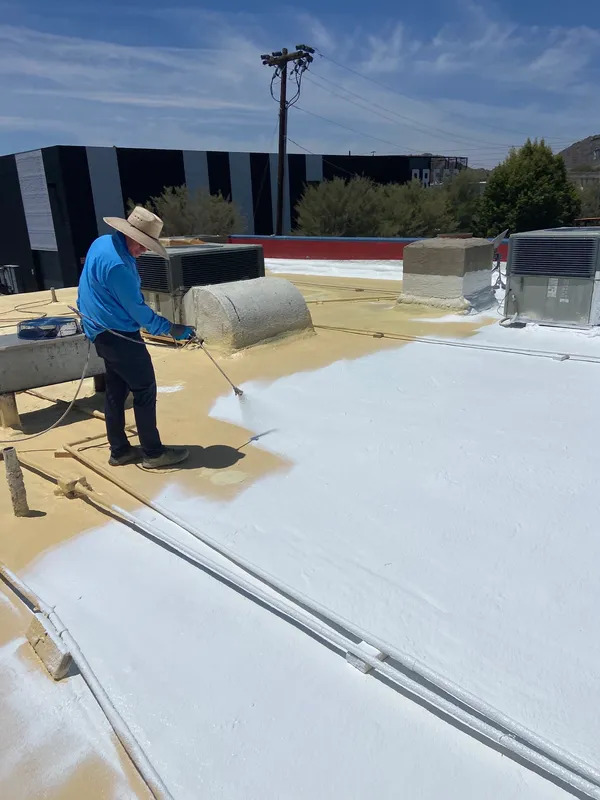
In addition to regular inspections, maintaining vegetation if you choose a green roof option requires planning around growth cycles while ensuring appropriate drainage systems are maintained.
Common Issues with Flat Roofs
Despite their benefits, flat roofs come with challenges that homeowners should recognize early on:
Water Pooling: Insufficient drainage leads to standing water which compromises integrity. Punctures: Foot traffic or debris can create holes in membranes like EPDM. Seam Failures: Poorly installed seams may separate over time. Blistering: Trapped moisture beneath layers causes blisters on surfaces. Debris Accumulation: Leaves or dirt buildup obstruct drainage systems.Recognizing these issues early allows homeowners to address them before they escalate into major problems requiring extensive repair work from a reputable roofing contractor in Scottsdale.

Choosing the Right Contractor
Finding a reliable roofing contractor is crucial when planning any roofing project—especially one involving a flat roof’s unique complexities. Look for local professionals who specialize in this type of roofing system; they'll have hands-on experience dealing with local weather conditions and building codes specific to Scottsdale.
Ask potential contractors about their previous work specifically related to flat roofs; check references from past clients who had similar projects completed successfully within your community's climate constraints.
Additionally, ensure they hold necessary licenses along with insurance covering both workers’ compensation and liability—this protects you from financial responsibility should accidents occur during construction or repairs on your property.
Key Questions To Ask Potential Contractors
Before signing any contracts with contractors consider asking them these essential questions:
- What warranties do you offer on materials and workmanship? Can you provide examples of similar projects you have completed? How do you handle unexpected issues during installation? What safety measures do you implement on-site?
These inquiries will give insight into their professionalism while ensuring transparency throughout your project journey—from initial consultation through final inspection after completion.
Conclusion
Flat roofs offer an attractive alternative for many buildings today due not only just aesthetic appeal but also practical considerations including energy efficiency savings maximizing available space creatively! However maintaining vigilance against common problems associated must remain top priority amongst owners wishing longevity out of investment over time!
With informed decisions concerning materials selection combined alongside hiring skilled contractors familiarizing themselves thoroughly about these structures’ nuances—all serve greatly towards achieving successful outcomes!
Circle G Roofing
7349 N Vía Paseo Del Sur #515, Scottsdale, AZ 85258, United States
+1 (602) 791-6415
[email protected]
Website: https://circlegroofing.com/